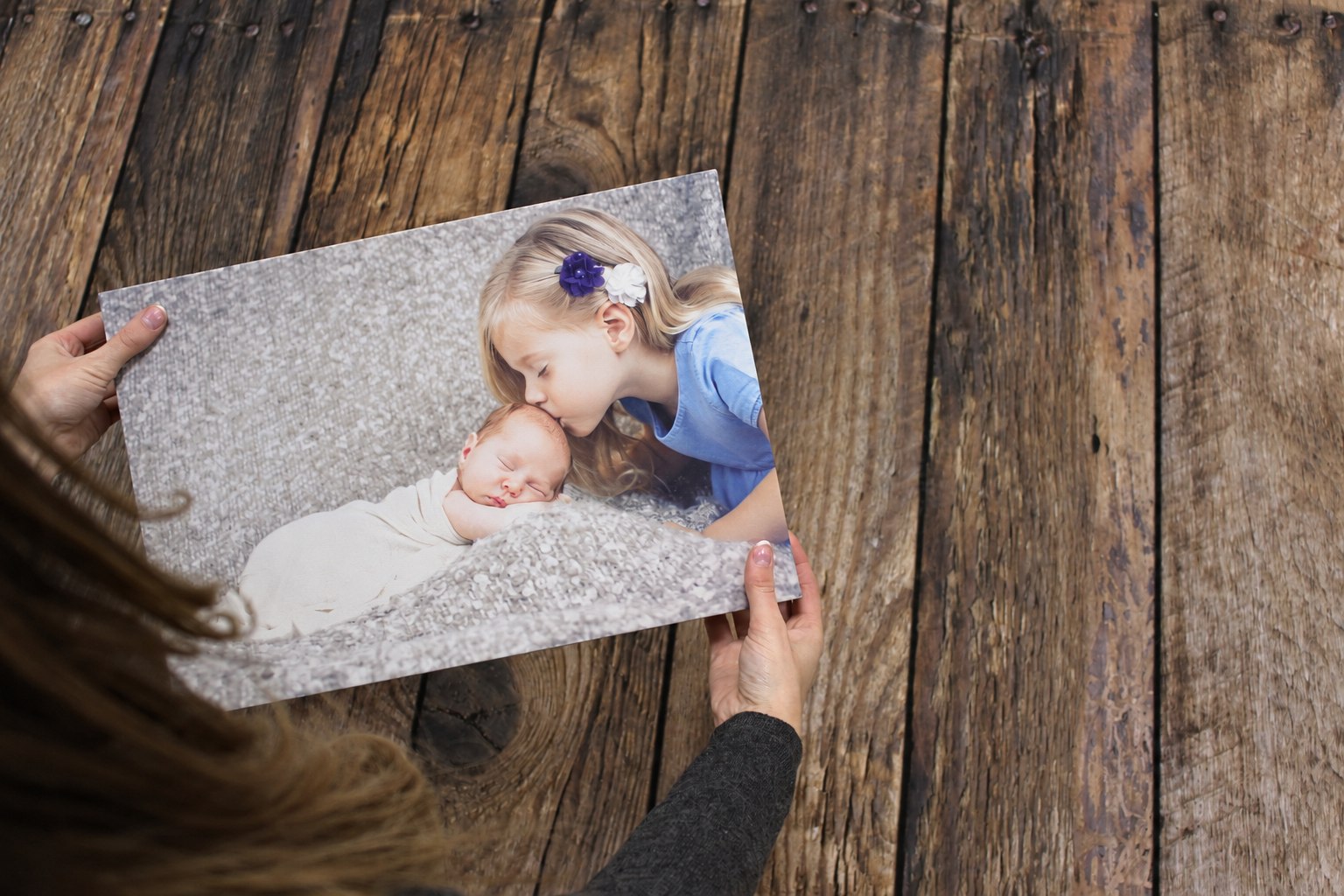
A photo poster and a canvas can use the same photograph while giving it a different presence on the wall. Choose between them by thinking about surface, framing and the details you want to emphasise.
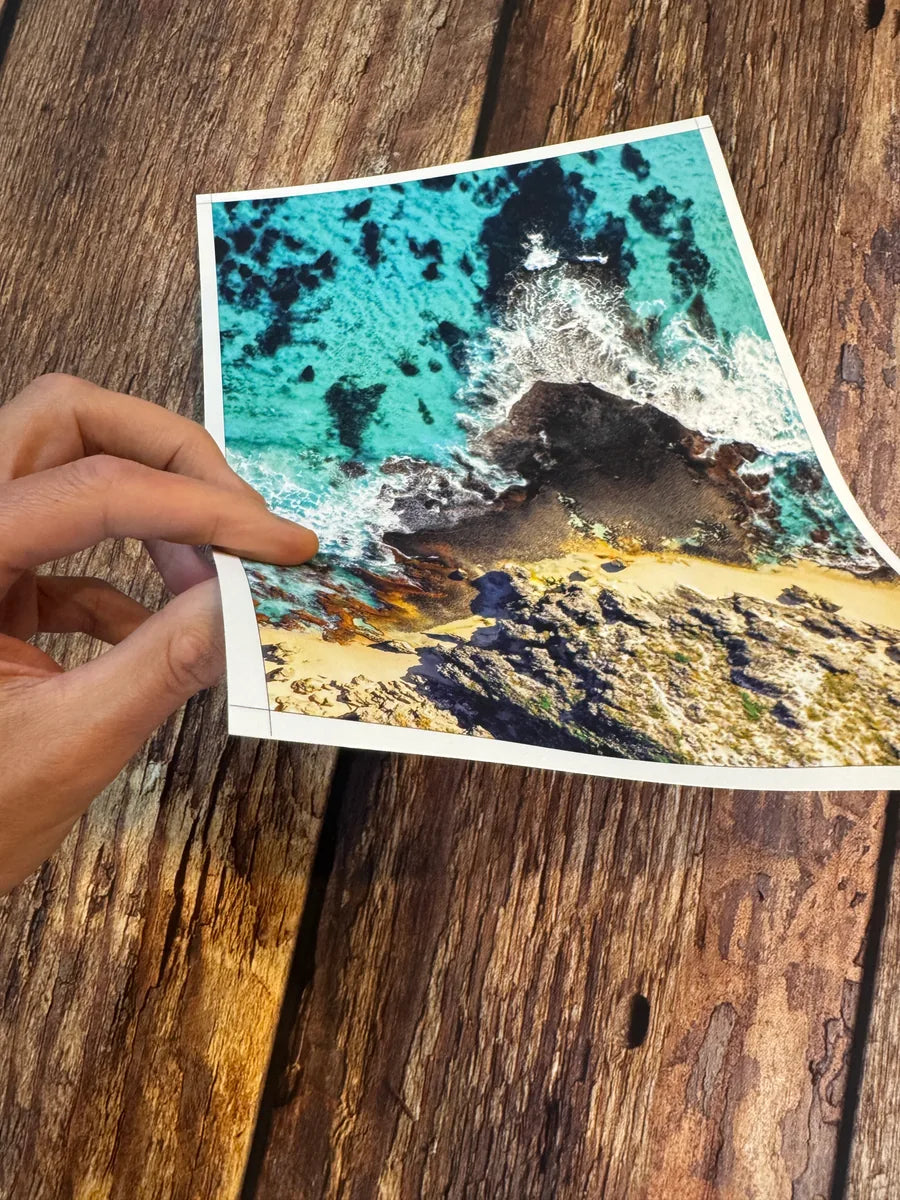
Smooth paper or visible texture?
A matte poster has a smooth paper surface. That can suit images with small lettering, architectural detail or a clean photographic style. YI2C’s photo posters use 230gsm matte paper; the number describes paper mass per square metre, not a resolution rating.
Canvas has a woven surface and a stretched, three-dimensional form. Its texture becomes part of the appearance, particularly at close range. It can work well when you like the photograph to feel like an object on the wall rather than a sheet inside a conventional frame.
Neither surface can recover detail missing from the original file. A blurred photograph does not become sharp simply because it is printed on paper rather than canvas.
Decide how you want to display it
An unframed poster gives you freedom to choose a frame separately. Include the frame and any mount when comparing the overall cost and dimensions. If you already own a frame, measure the required paper size before choosing a standard or custom poster.
A stretched canvas has depth and visible sides. Those sides need a considered treatment, especially when the photograph contains important details at the edges. If you add a floating frame, its colour affects the finished appearance too.
Once you have chosen paper, our guide to preparing a photograph for a poster takes you through files, sizes and framing.
Consider reflections realistically
Matte paper avoids the look of a glossy paper finish, but placing it behind ordinary glazing can introduce reflections. Where the print hangs, the light source and the frame glazing all influence what you see.
A useful way to choose
Choose a poster if a smooth print and your own frame are central to the plan. Choose canvas if you prefer its texture and depth. For either, select the shape and crop around the photograph.
Compare personalised photo posters with photo canvas prints, then choose the finish that suits the image and the room.
The additional illustrations below are imagined examples, not physical print tests. Frames and mounts are shown for styling and are not included with the poster.
A practical comparison for the photograph you have
Choose a matte paper poster when you want a smooth sheet for a frame of your own; choose canvas when you want a woven image surface stretched over a wooden frame. Then assess your actual file, crop and intended display. Neither material automatically makes a weak source sharp.
| Decision | YI2C matte poster | YI2C canvas |
|---|---|---|
| Image surface | Smooth 230gsm pure-white matte paper | 230gsm polycotton canvas with visible weave |
| What arrives | An unframed paper print | A print stretched over a solid-pine frame |
| Layout to check | Sheet, border and any frame or mount coverage | Front composition and the chosen edge treatment |
| Display planning | Choose the separate frame, mount and glazing you want | Choose the canvas depth and whether to add an optional floating frame |
Use this to identify the format you like, then compare the exact size and options in the creator. Similar width and height labels do not make the finished objects identical.

Look at fine detail and important edges
Small lettering, delicate line drawings and some artwork suit the uninterrupted appearance of smooth paper. Photographs can look attractive on either surface, with the weave of canvas becoming part of the result. There is no need to describe one as universally more professional.
For paper, keep signatures and faces clear of the area a mount or frame will hide. For canvas, check what remains on the front and what happens at the edges. Do not assume a person near the top of the source can be moved into a safe position simply by selecting a different material.
YI2C prepares the artwork individually before printing. If the picture needs care around the composition, explain the details you want preserved. We can consider a suitable crop, size or layout from the actual file.
Budget for the whole display
An unframed poster price and a canvas price are starting points for different finished objects. Add the frame, mount, glazing and appropriate hanging arrangement you intend to use for the paper print. With canvas, check any optional floating frame or other selected extras.
YI2C’s Slim and Chunky canvas depths share the same base print price, while optional floating frames cost extra. Consult the current prices and your exact basket rather than assuming every display option is included.

Remember the room light and the way you view it
Matte paper does not remove reflections from glass or acrylic in front of it. Think about the glazing and wall position together. Canvas is usually viewed without a glazing layer, but it is not reflection-free under every light.
Both the subject and viewing distance matter. Inspect important detail, then judge the whole picture where you will normally see it. The poster-versus-photo-print guide explains why product names alone do not establish the finish or quality.
Poster or canvas questions
Does canvas hide a bad photograph?
No. Texture changes the appearance, but a blurred face or incorrect crop can still be obvious. Start with the best available file and ask about a difficult original.
Is a paper border the same as a canvas edge?
No. A paper border occupies part of the sheet. Canvas edge treatment relates to the sides of the stretched object and must be considered with the front layout. Check the creator’s actual preview.
Can I choose paper for one picture and canvas for another?
Yes. Match the format to each picture and its display. Qualifying physical posters and canvases can also be mixed in YI2C’s 3-for-2 offer; the cheapest qualifying print portion is free and optional extras remain chargeable.
Explore photo posters and canvas prints, or ask us to assess your image and intended size.