Bring a quiet living room to life

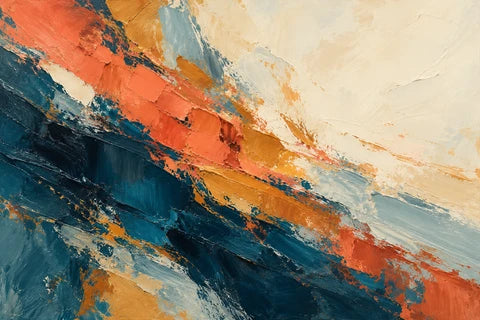
Colour in motion
A bold abstract canvas gives a neutral room a focal point. A small petrol-blue cushion connects the artwork to the sofa without matching everything.
Edit this artwork’s colours →3 FOR 2 ON CANVAS PRINTS · FREE EXPRESS DELIVERY

Create fine art-style canvas prints with AI
Choose a painted look, make the colours yours and create something you would love to live with.
View current canvas and poster prices →
Family-run print workshop · West Yorkshire · Since 2007
A different way to fill your walls
You might love the colour, presence and painted character of gallery artwork without having £6,000 to spend on a painting. This collection gives you another way to explore that taste: create a digital artwork around your own colours and ideas, then decide how you want to print it.
Start with a look you enjoy. Make a restrained change, save a few versions and give yourself time to choose. A considered picture can feel personal because of its palette, composition and the place you give it in your home.
These ten examples are AI-created artwork. Your finished canvas reproduces their colours and pictured paint marks on a woven surface. The artwork can look richly painted while the product remains a professionally made print.
Picture it at home
A print can give a quiet room a focal point, connect a few colours or bring character to a smaller space. See four of the artworks in different settings, then make the palette your own.
AI room visualisations for inspiration.
Colour in motion
A bold abstract canvas gives a neutral room a focal point. A small petrol-blue cushion connects the artwork to the sofa without matching everything.
Edit this artwork’s colours →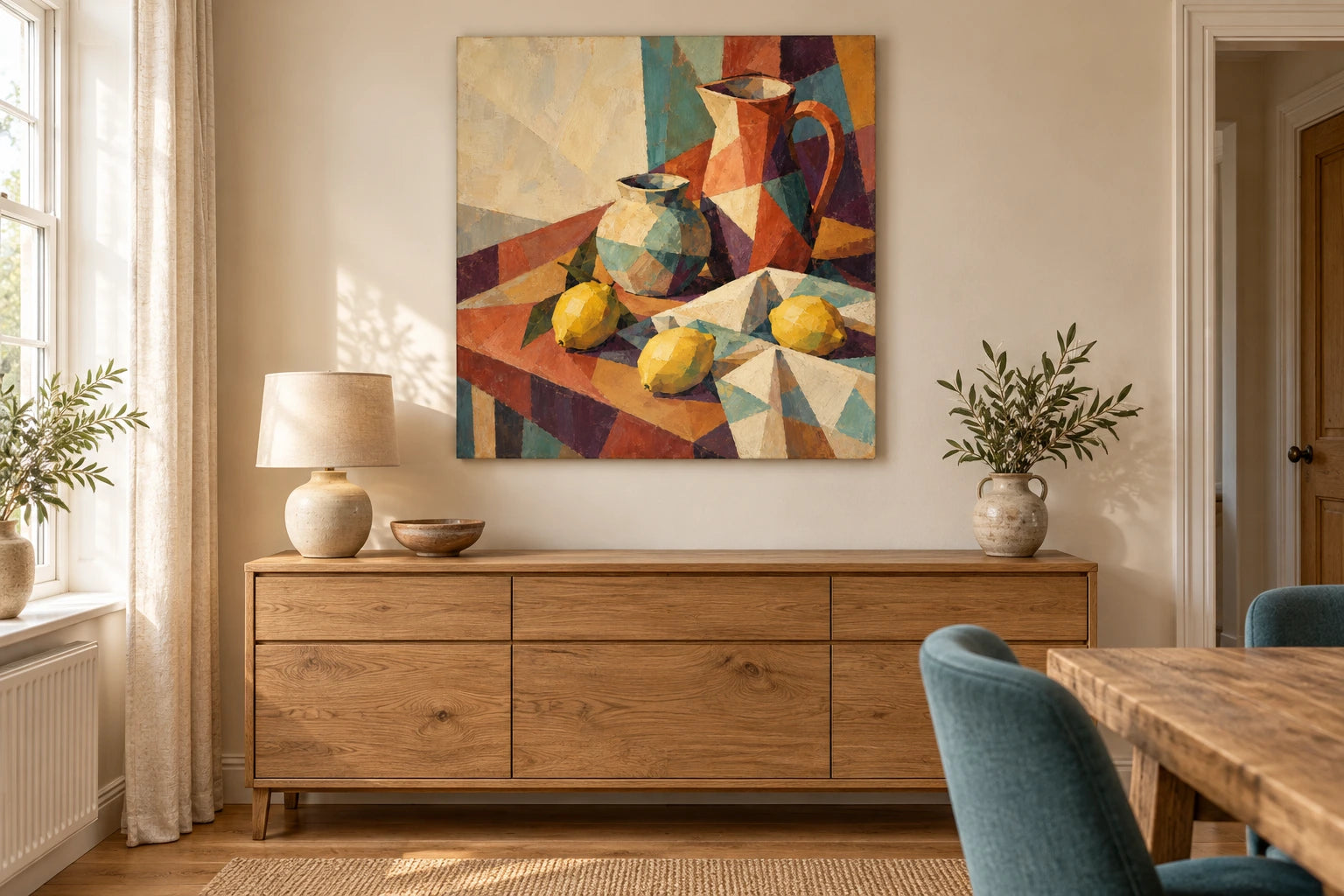
Objects in colour
The still life brings warm colour and a little rhythm to an everyday dining space. Oak, cream and one muted green detail let the artwork lead.
Edit this artwork’s colours →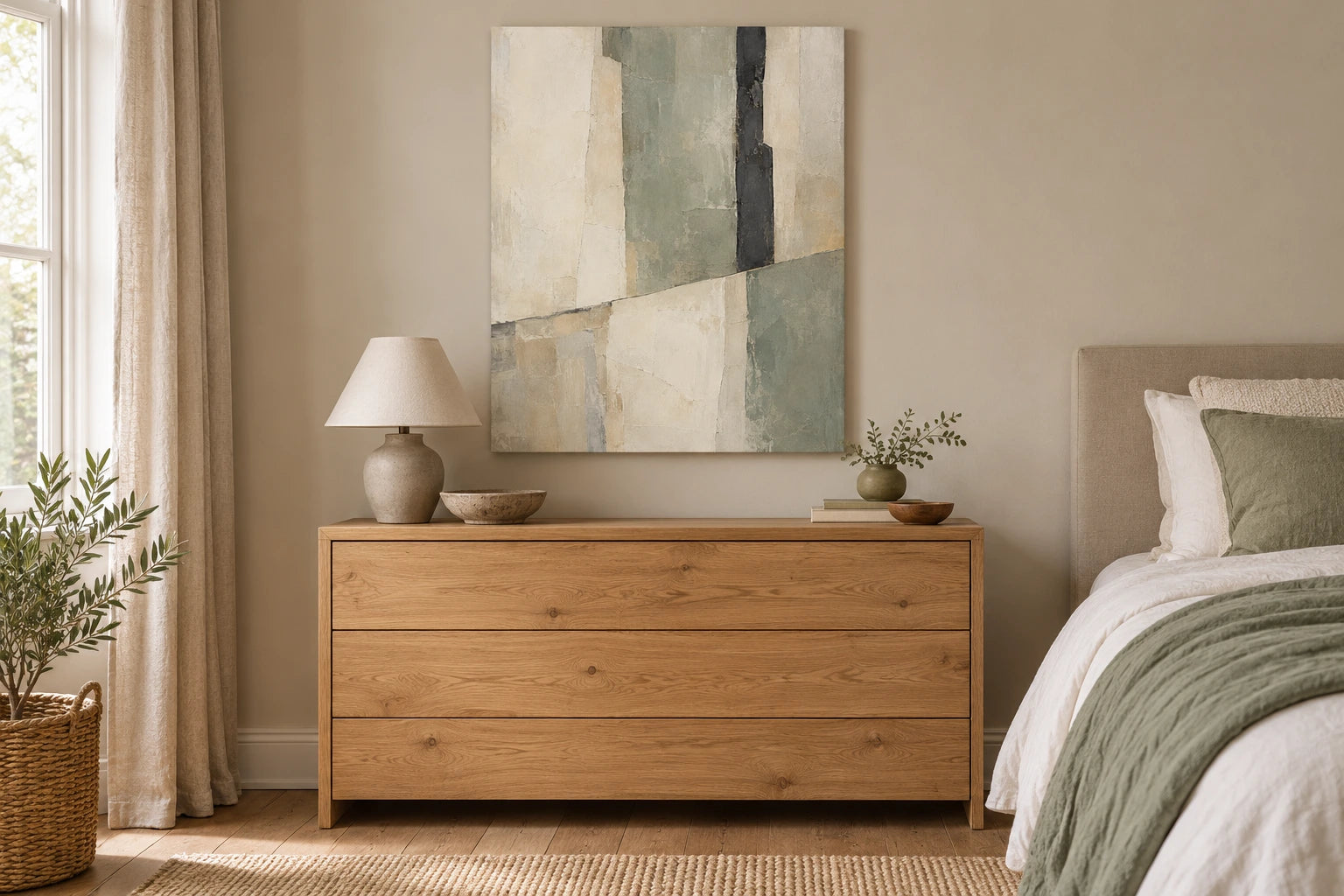
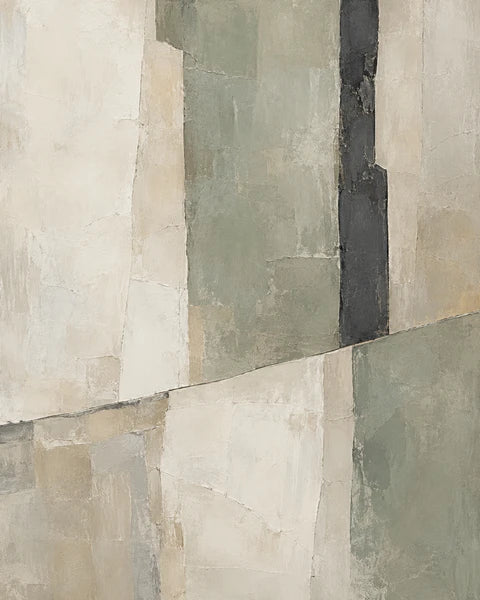
Quiet strata
Soft mineral tones and quiet space give the bedroom a calmer centre. The charcoal accent adds definition while the linen and oak keep the room relaxed.
Edit this artwork’s colours →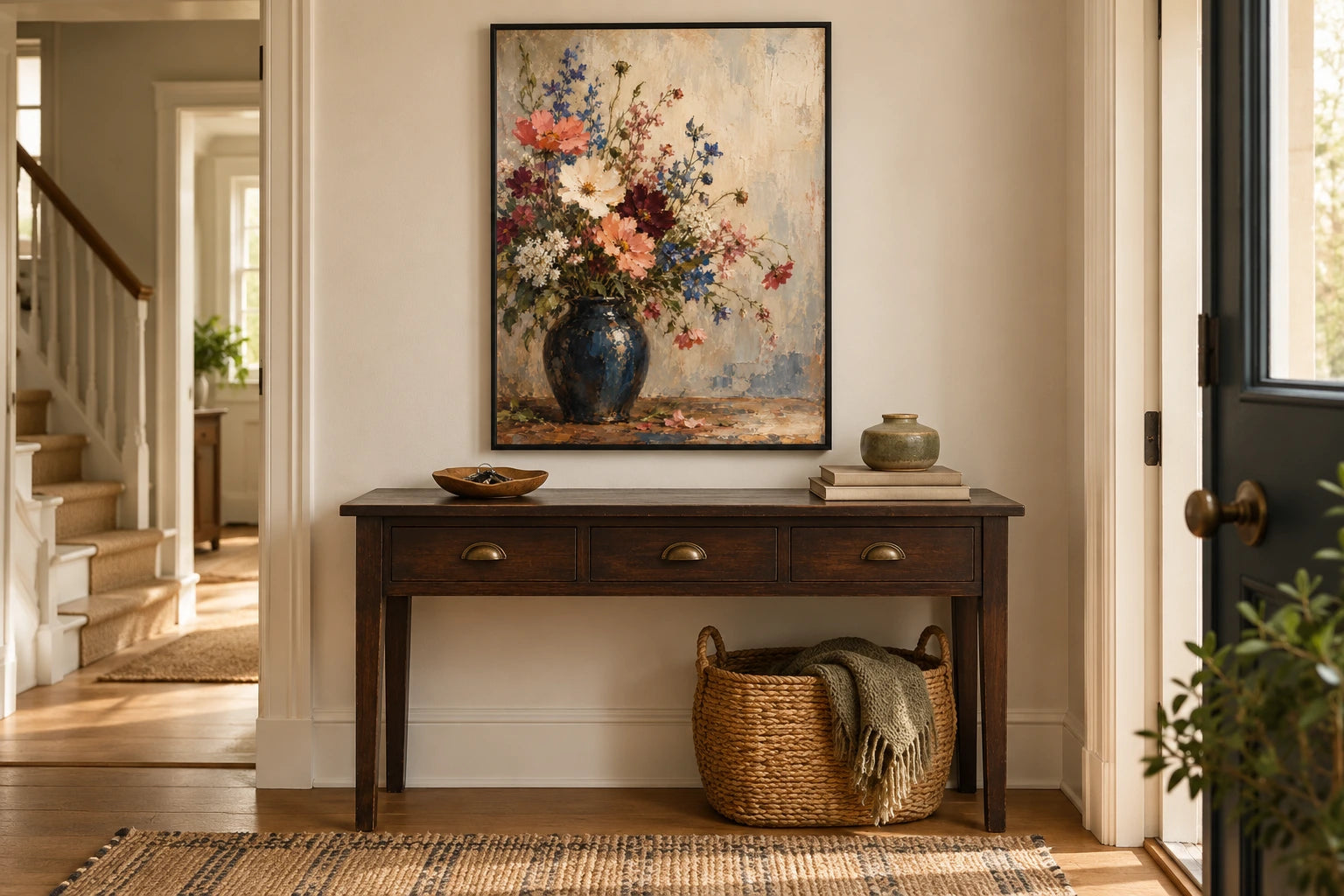
Flowers with character
A portrait floral print adds warmth to a hallway where furniture and colour are kept simple. The narrow format makes good use of a smaller stretch of wall.
Edit this artwork’s colours →Use these settings to explore colour and placement, then measure your own wall before choosing the print size. The hallway shows a poster in a separate frame.
Ten starting points. Your own direction.
Explore the complete artworks, then open Make it yours to change the palette and edit the prompt.
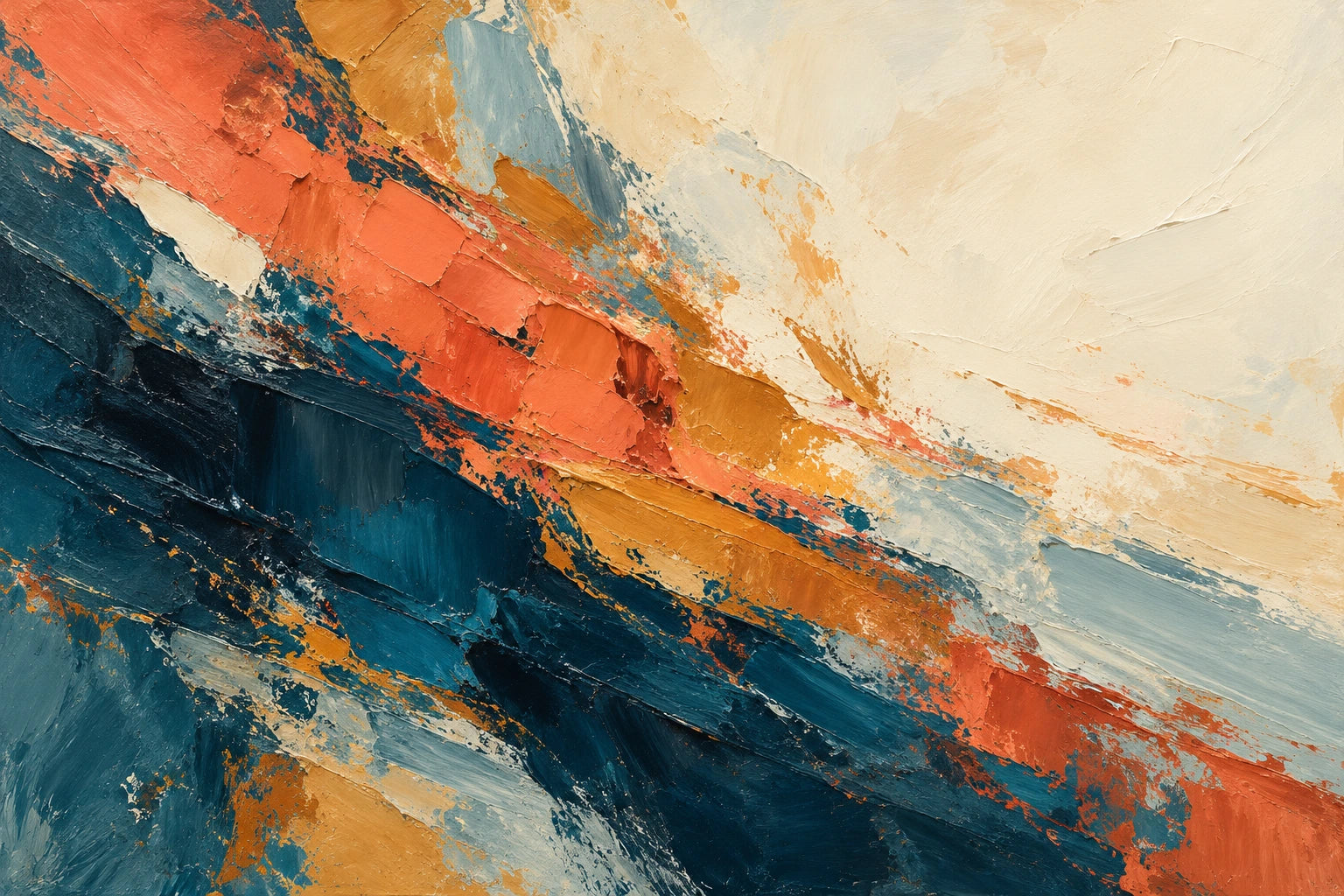
Full-size example · 1536 × 1024 pixels. Check suitability for your chosen print size.
Expressive
Broad paint gestures and a strong sweep of colour give this piece presence. Keep one dark colour, one warm accent and a generous light area, or move the whole palette towards softer tones.
These choices change the prompt. The artwork shown keeps its starting colours.
Use the prompt in your chosen image tool, then save the finished image you want to print.

Full-size example · 1122 × 1402 pixels. Check suitability for your chosen print size.
Quiet
A calm, layered composition for rooms where texture matters more than bright colour. Warm stone, chalk and sage work quietly together; the narrow dark mark gives the softer areas a clear point of balance.
These choices change the prompt. The artwork shown keeps its starting colours.
Use the prompt in your chosen image tool, then save the finished image you want to print.
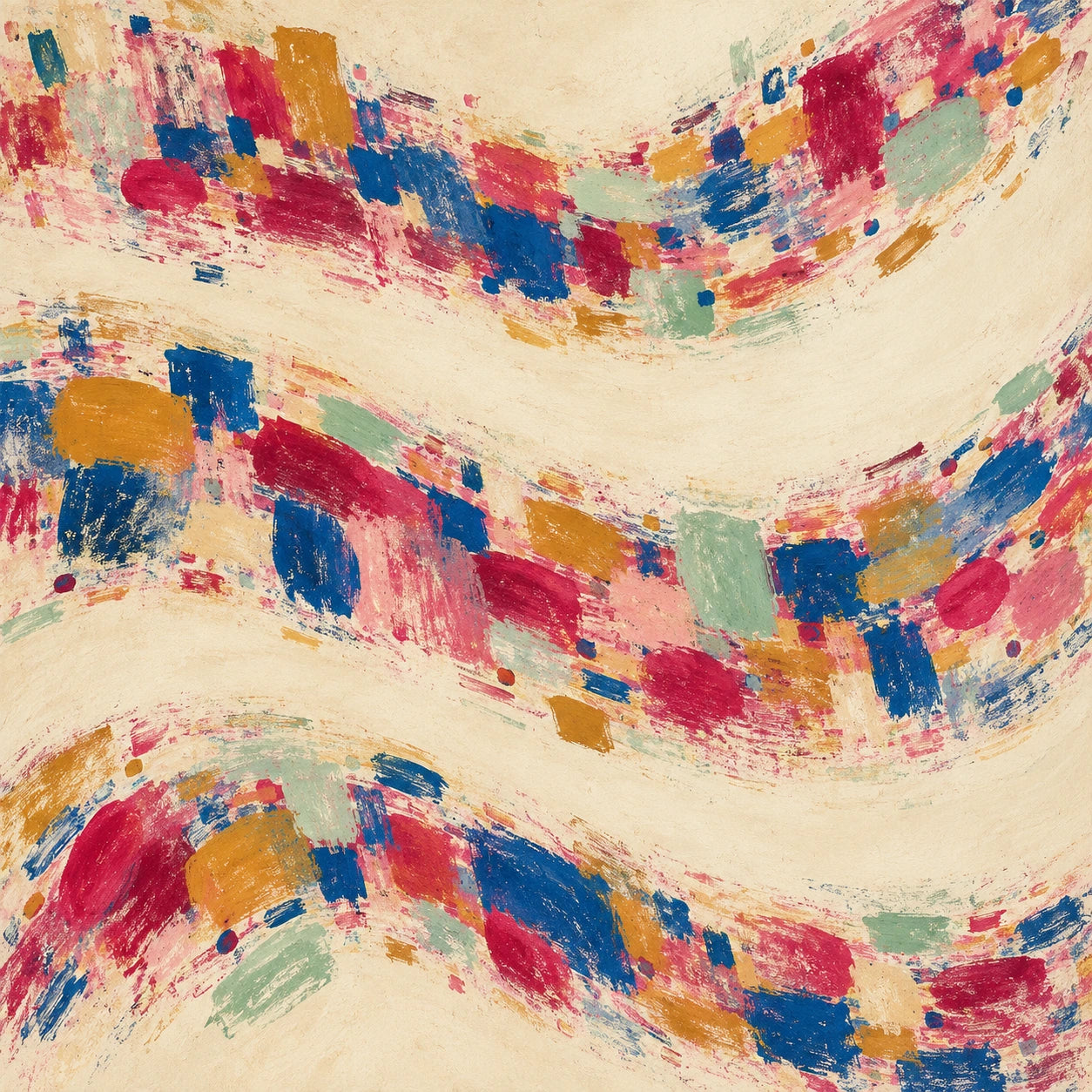
Full-size example · 1254 × 1254 pixels. Check suitability for your chosen print size.
Expressive
Small, imperfect painted marks build a playful rhythm. Change the colours to pick up a cushion, a favourite ceramic or a detail elsewhere in the room, while leaving enough cream space for the pattern to breathe.
These choices change the prompt. The artwork shown keeps its starting colours.
Use the prompt in your chosen image tool, then save the finished image you want to print.
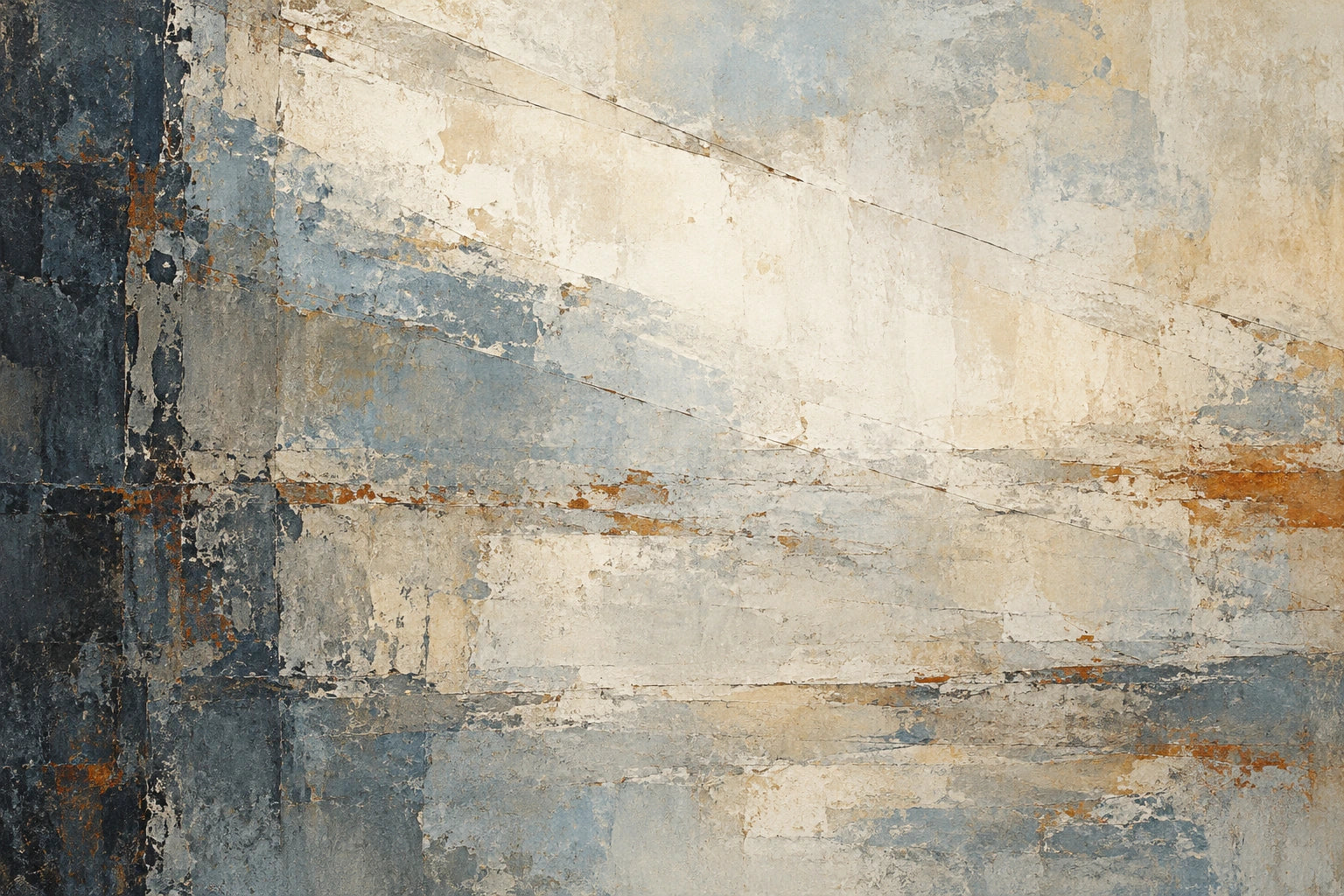
Full-size example · 1536 × 1024 pixels. Check suitability for your chosen print size.
Quiet
Scraped layers, pale light and darker fragments give this artwork the character of a surface that has changed over time. Try a cool blue-grey scheme, or warm the pale areas with sand and muted terracotta.
These choices change the prompt. The artwork shown keeps its starting colours.
Use the prompt in your chosen image tool, then save the finished image you want to print.
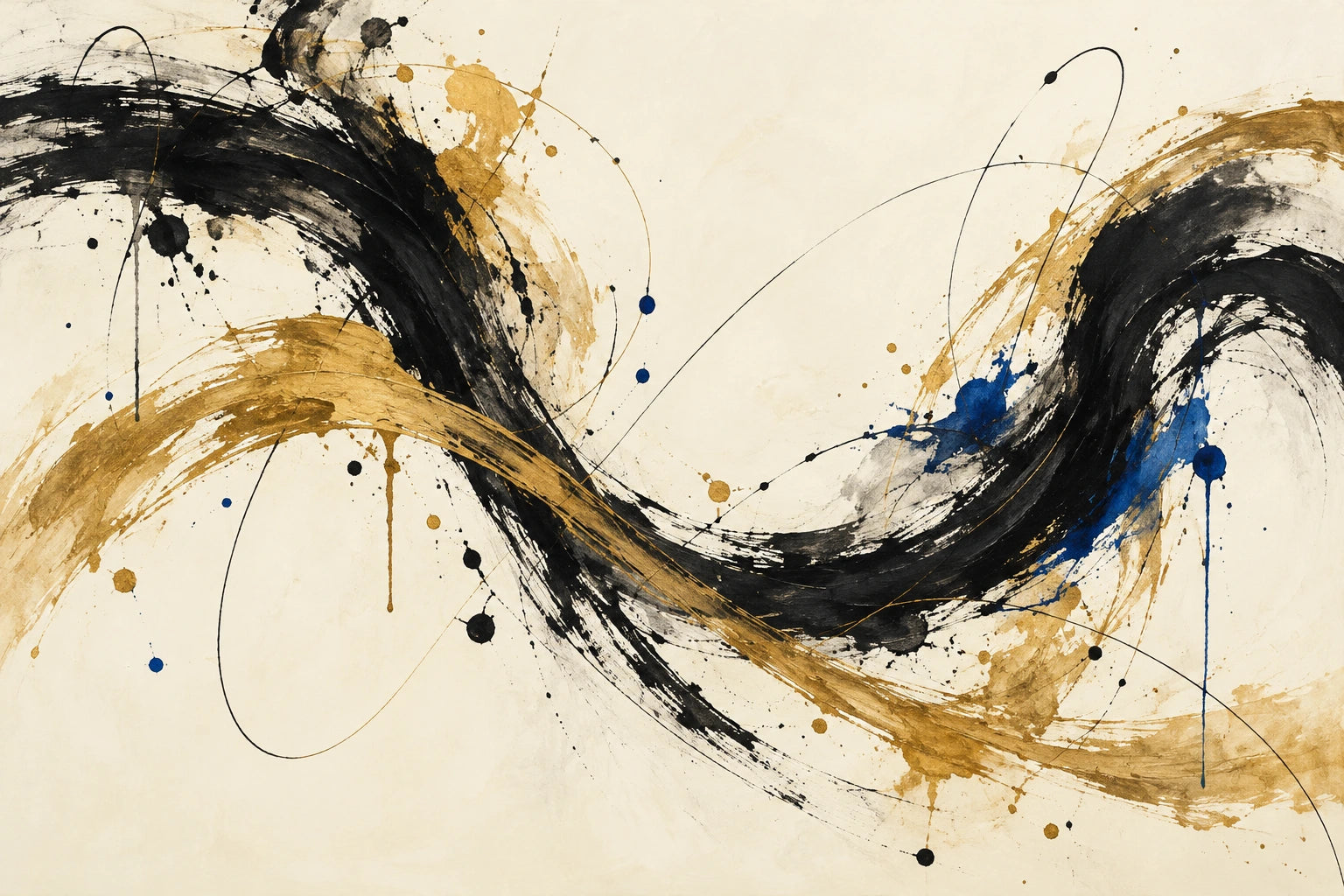
Full-size example · 1536 × 1024 pixels. Check suitability for your chosen print size.
Expressive
A few energetic gestures can carry a whole composition. The open ground matters as much as the marks. Choose a restrained palette and keep the fine lines light so the broad brushwork has room to move.
These choices change the prompt. The artwork shown keeps its starting colours.
Use the prompt in your chosen image tool, then save the finished image you want to print.
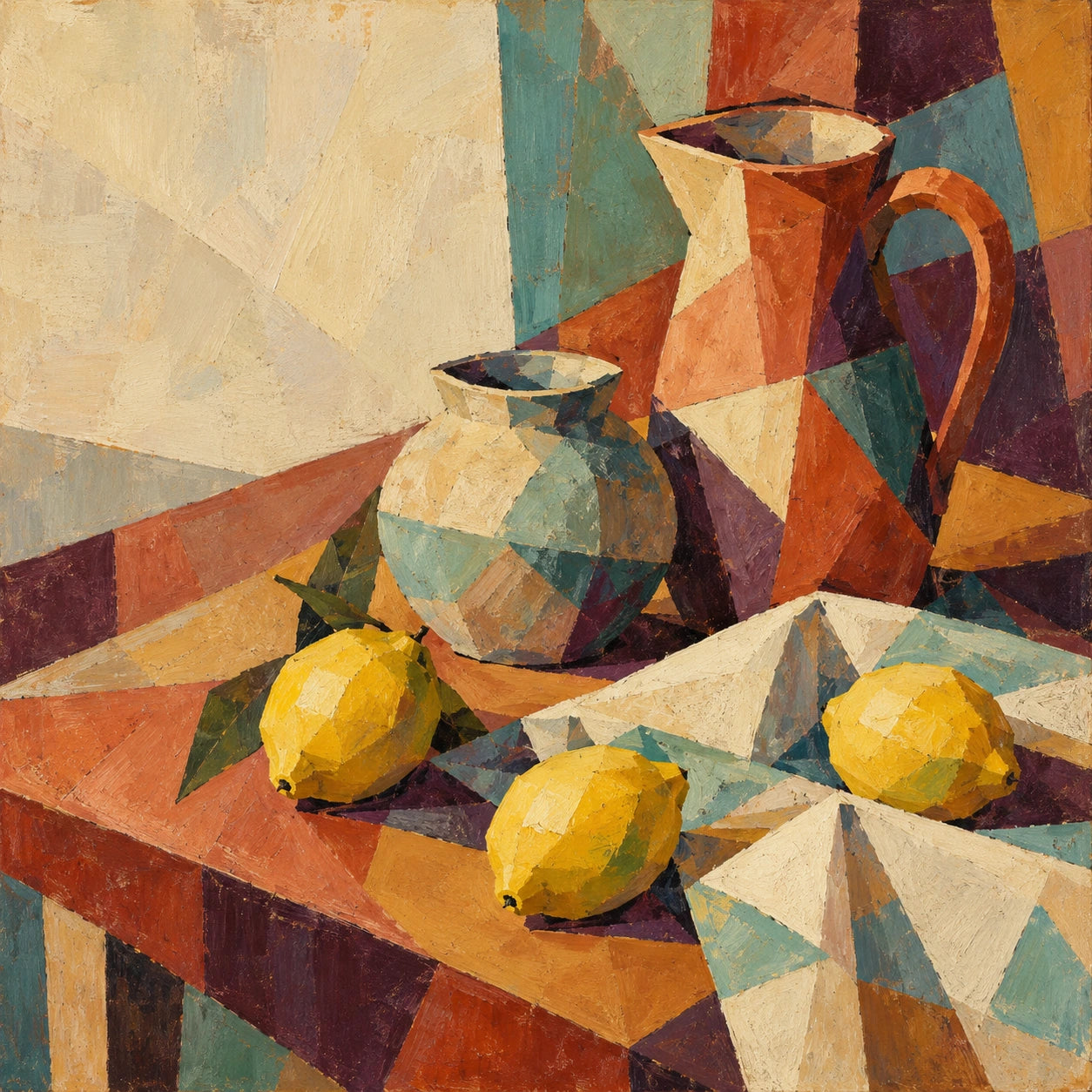
Full-size example · 1254 × 1254 pixels. Check suitability for your chosen print size.
Figurative
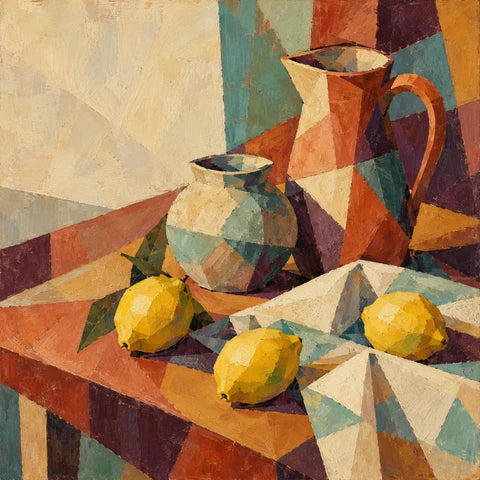
Recognisable objects meet angular painted shapes. The vessels, cloth and fruit give the eye something to follow, while the broken planes make the still life feel lively and personal. The palette can be earthy, coastal or boldly colourful.
These choices change the prompt. The artwork shown keeps its starting colours.
Use the prompt in your chosen image tool, then save the finished image you want to print.
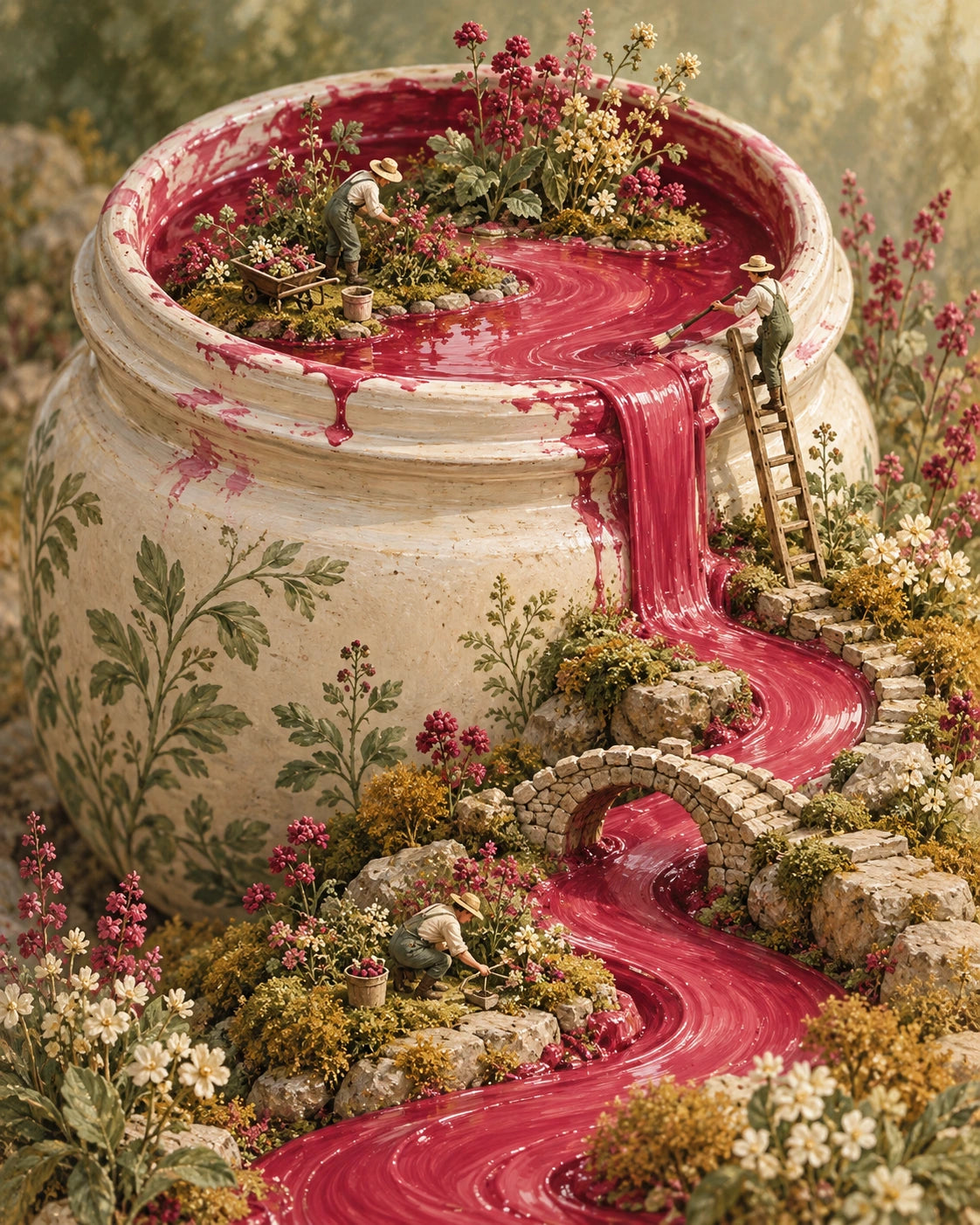
Full-size example · 1122 × 1402 pixels. Check suitability for your chosen print size.
Playful
A little world with a gently impossible scale. Tiny gardeners tend a landscape of colour, turning an everyday object into a story. It is a useful starting point for people who enjoy humour, careful detail and a second look.
These choices change the prompt. The artwork shown keeps its starting colours.
Use the prompt in your chosen image tool, then save the finished image you want to print.
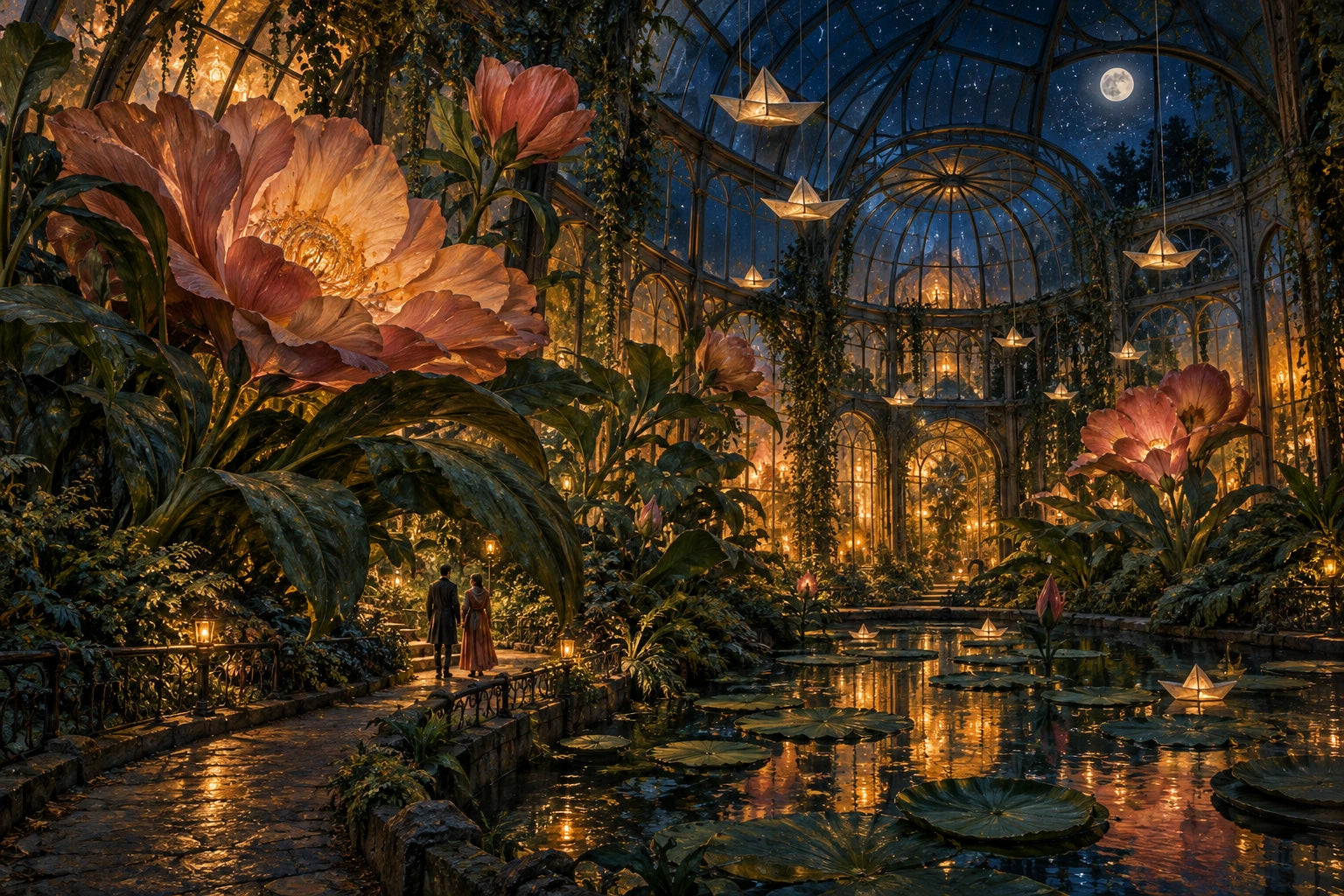
Full-size example · 1536 × 1024 pixels. Check suitability for your chosen print size.
Playful
Oversized flowers, warm light and small human figures make this a painting to explore slowly. Keep the contrast between the deep background and the illuminated details, then choose the flower and light colours to suit your room.
These choices change the prompt. The artwork shown keeps its starting colours.
Use the prompt in your chosen image tool, then save the finished image you want to print.
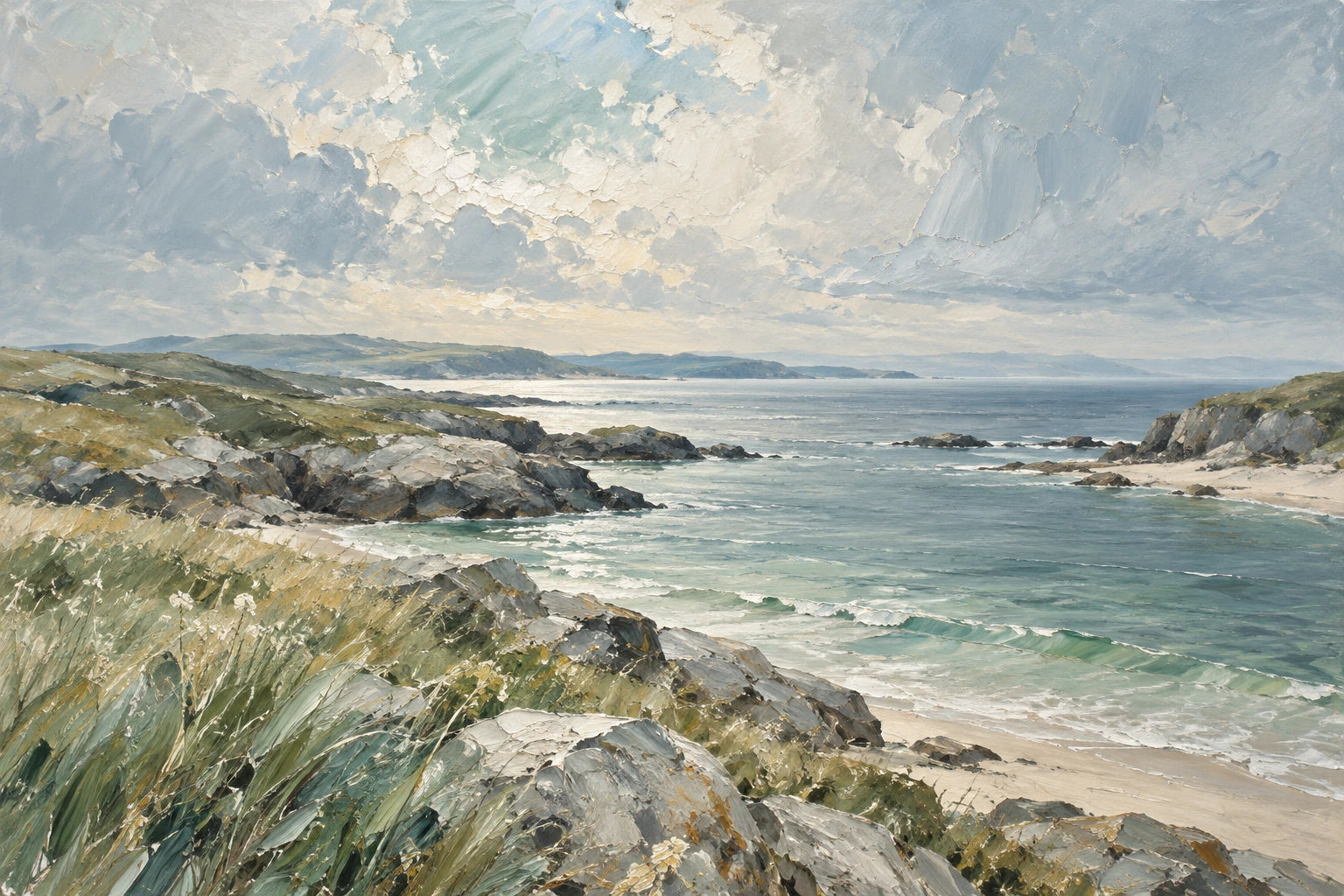
Full-size example · 1536 × 1024 pixels. Check suitability for your chosen print size.
Figurative
A painted coast gives a room a sense of space without needing a dramatic scene. Let the foreground have the stronger paint marks, and keep the distant sky and water softer. Sea-glass tones can be exchanged for warmer sand and muted blue.
These choices change the prompt. The artwork shown keeps its starting colours.
Use the prompt in your chosen image tool, then save the finished image you want to print.

Full-size example · 1122 × 1402 pixels. Check suitability for your chosen print size.
Figurative
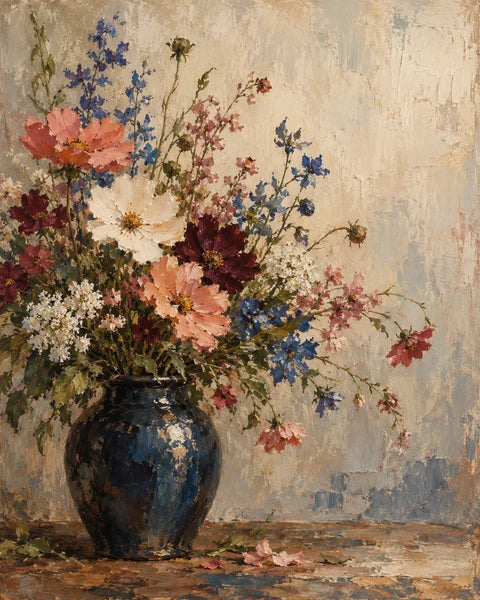
Loose petals, imperfect stems and a simple vessel make a floral painting feel alive. Choose colours that belong together rather than giving every flower a different bright hue. One strong accent can be enough.
These choices change the prompt. The artwork shown keeps its starting colours.
Use the prompt in your chosen image tool, then save the finished image you want to print.
Your taste gives the artwork direction. We help you turn the finished file into a carefully made print.
From idea to print
Look at the colour balance, the amount of quiet space and the kind of marks. Decide whether you want energy, calm, a recognisable subject or a little humour.
Open the editor beside an artwork. Put your colours into the palette field, choose a format and adjust any part of the full wording. Copy the current prompt into your chosen image tool.
Keep the parts that work and ask for one useful change at a time. Less detail, softer contrast or a smaller accent area is more helpful than simply asking for a better painting.
Save the best-resolution finished image. Measure your wall, check the crop and decide between canvas or a poster. Upload the file to the print creator when you are ready.
Your colours
Begin with a dominant colour, a quieter supporting tone and a light or dark ground. Add one accent if the composition needs it. You can describe colours in ordinary words: petrol blue, chalk white, warm sand or muted terracotta.
Colour balance matters as much as the list of colours. Try mostly ivory with a small blue accent, or a deep blue ground with restrained warm marks. Asking for every colour to appear equally can make an otherwise good composition feel restless.
Let one colour connect to something already in the room. The others can bring a little contrast. Artwork does not have to match the furniture perfectly to sit comfortably alongside it.
Your composition
A strong composition has a relationship between its busier parts and its quieter areas. In an abstract piece, that might be one cluster of marks against an open ground. In a floral painting, it might be a bouquet placed away from the centre with space around the outer stems.
Choose the shape before you generate the final version. Landscape, portrait and square formats create different relationships between the subject and the space. A crop can work, but forcing an important object into a new shape afterwards can weaken the picture.
When a result feels too polished or too busy, ask for more varied mark-making and a simpler arrangement. Deliberate irregularities can give the painting character; random scratches everywhere usually cannot.
A collection with character
A matching pair or trio can share a palette and a painted finish while each picture has its own role. Try one fuller composition, one quieter companion and one with a slightly stronger accent. View the pictures together before you order them.
Keep the same colour descriptions, medium and degree of texture in each prompt. Change the arrangement or subject so the pictures feel related rather than duplicated. Generate separate complete artworks for separate prints.
For planning, include the gaps. Three portrait A3 fronts are 29.7 cm wide each. With two 8 cm gaps, the complete group is 105.1 cm wide before any external frames. That is a useful starting calculation, rather than a fixed hanging rule.
The value of art
An original painting's price can reflect the artist's time, skill, materials and studio work, as well as its history, rarity, reputation and the costs of presenting and selling it. People may value the physical object and its connection to the artist as much as its appearance.
A digital artwork printed for your home serves a different purpose. Your decisions can still be thoughtful: the colours you choose, the room it belongs in and the story or mood you want it to have.
This guide helps you enjoy that process within your own budget. Choose the image because you like living with it, and choose the print because its size and finish suit your home.
Made properly in Yorkshire
The step from screen to wall brings together the image file, the chosen surface and the way the print is made. We print in our West Yorkshire workshop using the Epson SureColor SC-P20000 and genuine Epson pigment inks, with colour profiles matched to our materials.
Our canvas gives the picture a woven surface and the structure of a stretched print on a solid-pine frame. Our 230gsm pure-white matte poster paper gives a smoother surface, which can suit precise lines and small details. Posters are supplied as prints; any separate frame needs its own measurements and budget.
Save your highest-resolution finished file and review it at the intended size. Check faces or tiny figures, repeated patterns, fine lettering and the edges. An attractive thumbnail is a starting point for that inspection.
Use the creator to review the crop and available finishes before ordering. For a painting-like composition, keep the most important marks comfortably within the front. If you are unsure about the file, contact us with the image and the size you have in mind.
A woven surface, stretched form and a finish you can choose in the creator. A natural option for bold paint marks and larger compositions.
Explore canvas prints →A smooth matte print for delicate lines or a frame you already love. Check the print space and mount opening before choosing your size.
Explore poster prints →Your budget
You can put more of your budget towards scale, presentation or a group of prints rather than changing everything at once. A smaller poster can help you compare the palette in your room; a canvas can give a chosen composition a stronger presence.
Check our prices page and the creator for the selected size, optional upgrades and delivery terms. AI-tool charges and any external poster frame belong in your budget too.
Eligible canvas and poster prints can be combined under the current 3 for 2 offer. Plan the whole group first and check the basket's actual offer and final total.
View current print prices →The creator and current offer show the final options and total. The cheapest eligible base print is free; upgrades and applicable oversized delivery supplements are separate.
Answers before you print
Choosing the artwork is one part. These answers help you choose the file, size and finish with confidence.
You can use a photograph of your room and your finished artwork in an image tool to explore the placement. Ask it to preserve the artwork and the room, and specify the print size you are considering. Treat the result as a styling idea, then measure the real wall and review the final crop in the print creator.
Yes. Describe a subject or an abstract composition, choose a painted finish and refine the colours in an image tool. Save the result you like, then use that digital file for a canvas or poster print. The image is AI-created artwork; the physical canvas is a printed product.
You can begin with decisions you already make at home: colours, mood, subject and where the picture will hang. A clear description gives the image tool more direction than a string of grand art words. The ten examples show different ways to make those choices.
Open Make it yours beneath the artwork and edit Your colours. Choose a shape if you want to change the format. The prompt updates while it is still following those controls. You can also edit the complete wording. If you have edited it manually, Apply choices lets you decide when to rebuild it.
Start with two or three colours you want to repeat, then add a lighter or darker supporting colour. A piece can belong in a room without matching every cushion exactly. Consider the wall colour, the furniture below the print and the room's daylight when choosing the final result.
Describe the medium, mark-making and composition: broad dry-brush strokes, thin washes, scraped layers or a few confident palette-knife accents. Give the artwork a focal area and quieter space. Ask for fewer competing details when the result feels busy, and inspect the final image closely.
Yes. Those words guide the appearance of the digital artwork. Add details that distinguish the finish, such as opaque brush marks, broken pastel pigment or translucent watercolour washes. The final print reproduces the pictured colours and details; it does not contain that paint or pastel.
The brush marks and paint ridges are part of the printed image. A stretched canvas has its own woven surface, but the depicted impasto is not physically raised paint. If you want hand-applied paint, that is a different product or a separate creative process.
A gold-coloured area can look warm or luminous because of the colours and shading in the image. Ordinary ink printing does not turn it into metallic leaf or reflective paint. Judge the result as a printed colour effect.
An original painting includes the artist's physical work and its own history. Its value can involve much more than the image on the wall. Creating a digital artwork and ordering a print is a different way to enjoy colour, composition and a personal subject within your own budget.
It describes the visual approach: painterly compositions, thoughtful colour and artwork made to enjoy on a wall. It does not certify a limited edition, a collectible original, a particular cotton-rag paper or a conservation-grade printing standard.
Canvas adds a woven surface and a stretched, ready-to-display form. It often suits visible paint marks and larger compositions. A smooth matte poster can suit fine lines, detailed scenes and an existing frame. Choose the surface and presentation you prefer; there is no single right answer for every artwork.
The poster is supplied as the print. A pictured frame or a frame you choose elsewhere is separate. Measure your frame's print space and any mount opening before ordering, and include the framing cost in your budget.
Measure the furniture and the available wall first. Mark the proposed print or group with paper or masking tape, then step back to a normal viewing position. Consider the whole group width for a pair or trio. Our sofa-sizing guide gives more help choosing the scale.
Choose the shape around its destination. A wide piece can sit naturally above a sofa; a portrait can suit a narrower wall; a square can work well alone or in a set. Set the shape in the prompt early so important objects fit the composition before you plan the print.
No. A landscape A3 is 42 by 29.7 cm, approximately 1.414:1, while 3:2 is 1.5:1. Fitting the image may involve a crop or a border. Use the creator's preview to decide what works, or ask for a composition in the intended proportion before generating the final image.
Sometimes, depending on the real pixel dimensions, the detail in the image, the intended size and viewing distance. Small painterly web examples are not automatically large-print masters. Save the best-resolution result available and ask us to check it if you are unsure.
There is no single number for every picture or wall. Divide the pixel width by the intended width in inches to find the effective pixels per inch. A 3000-pixel-wide file at 20 inches is 150 PPI. Fine lettering needs different scrutiny from broad brush marks, and upscaling does not guarantee useful new detail.
Changing the resolution label alone does not add image detail. The actual pixels and how the artwork looks at the intended print size matter. Save the original result and inspect any enlarged version rather than relying only on a DPI label or file size.
Keep important faces, lettering and key details away from the outer edge. In the canvas creator, compare the available side treatments and review the complete front and sides. The chosen finish determines the edge requirements; do not apply one fixed bleed allowance to every order.
Screens emit light and can be very bright; paper and canvas reflect the light in your room. Very luminous blues, deep shadows and intense saturation can change in print. Judge your image at a sensible screen brightness and allow for the surface and surrounding light.
A useful digital image still needs careful production. At YI2C, that means our Epson SureColor SC-P20000, genuine Epson pigment inks, material-specific colour profiling and checking the finished print in our West Yorkshire workshop. The file, chosen surface and presentation all contribute to the result.
Yes. Keep the same palette, medium and level of detail while changing the composition or subject of each piece. Give the pictures a relationship rather than repeating the same image. A coordinated trio consists of three separate artworks; a split-image triptych is a different arrangement.
A prompt gives direction, rather than a guarantee of an identical result. The image tool, settings and each generation can affect the image. Compare the result, keep the version you prefer and refine one clear thing at a time.
Allow for your chosen image tool, the print size and any optional finish or external frame. Some tools have free allowances; others charge. Current YI2C print prices are on our prices page, and the creator shows your chosen size and upgrades. A small test print can help before a much larger order.
Eligible canvas and poster prints can be combined under the current 3 for 2 offer. Check the current offer and basket for eligibility and the final discount. A digital image-generation fee or a file kept on your device is not a physical print item.
Contact us with your image and the size you have in mind. We can help you think through the print, crop and available finishes. Tell us whether you prefer canvas or poster and whether you are fitting an existing frame.
Make something that belongs to you
Create the image you enjoy, save the version you want to print and choose the size that fits its place.


