

Pontefract canvas prints: local photographs for your walls
The places you know. The photographs that mean home. Made into prints in West Yorkshire.
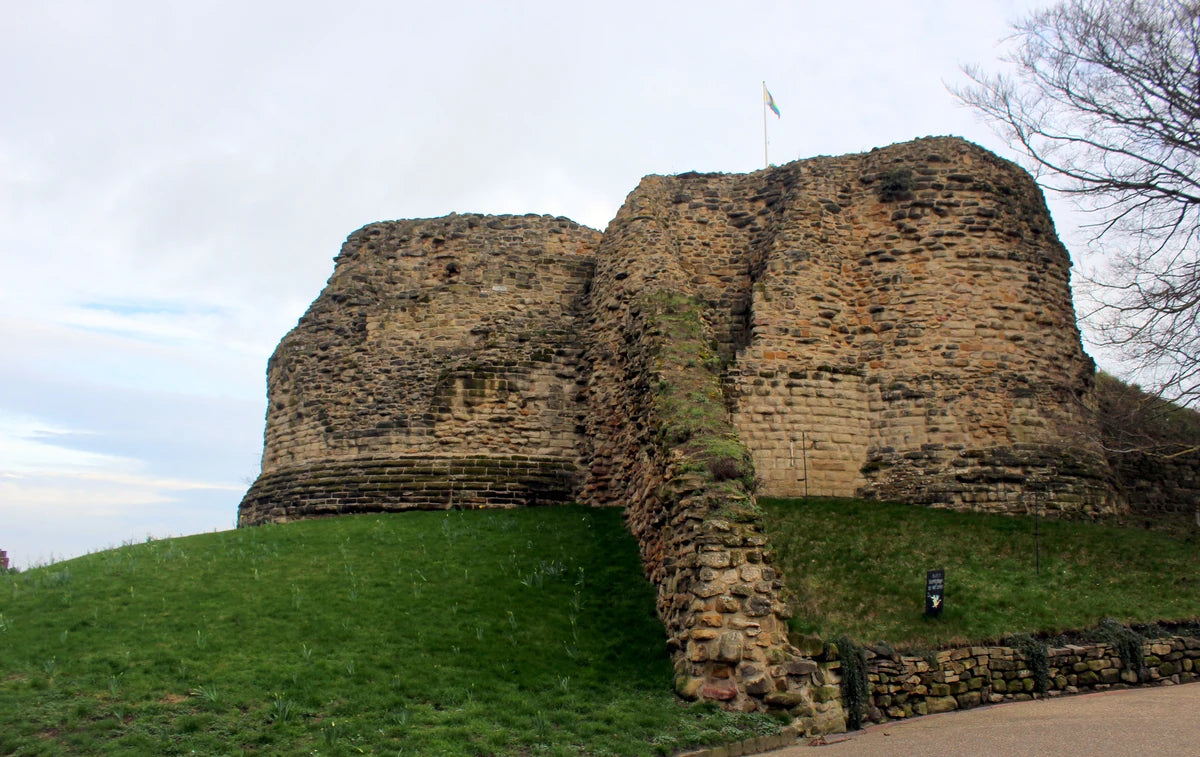
A close landscape view of the surviving round tower and keep ruins, grassy bank, path and bare tree branches. Photograph: Chris Heaton · Original photograph and title · CC BY-SA 2.0. Taken 2026-03-02; preview resized for web.

A photograph of home can mean more than a view from somewhere you have visited once. The castle you recognise straight away, a walk around the park, the town centre on an ordinary morning: these are pictures worth bringing off your phone and onto the wall.
If you are looking for canvas prints in Pontefract, you can order your own photograph on canvas online with Your Image 2 Canvas. We have been making prints in our West Yorkshire workshop since 2007. Upload the original, choose the size and finish, and check how the picture sits before ordering.
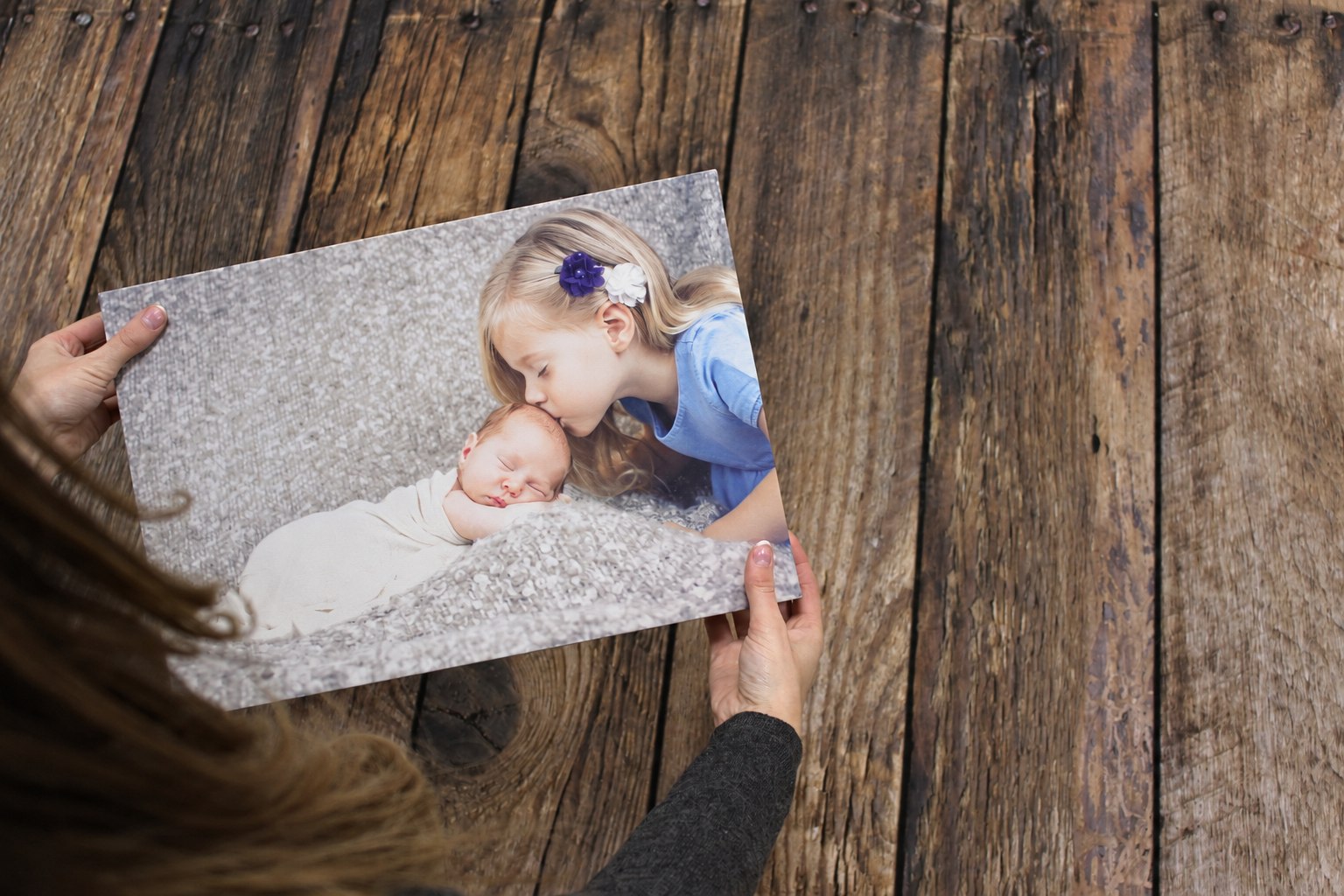
This guide brings together local photography ideas and practical print advice. The landmark photographs are credited real photographs by their respective photographers. They illustrate the places, rather than examples of those particular views already printed by us. The workshop photograph gives you a close look at one of our finished canvas corners.
Start with the Pontefract photograph that means something to you
You do not have to find a completely new angle on a familiar place. A picture can matter because you took it with someone, because the light was good that day or because you have looked at that view for years. A local photograph can also make a thoughtful gift for someone who has moved away.
Before taking more pictures, look through the ones you already have. Choose a few you would enjoy seeing every day, then open the originals at a larger size. Check that the detail you care about is clear. A favourite family moment beside a landmark can be a stronger print than an empty scene chosen only because it looks tidy.
If you are heading out with printing in mind, take a wide view and a closer composition. Leave a little room around towers, people and tree branches. That gives you more choice when fitting the picture to a rectangle, square or panorama later.
Pontefract Castle: give the stonework and the sky room
Pontefract Castle is an obvious starting point, but the whole site does not need to fit into every photograph. Experience Wakefield describes the surviving ruins, open spaces and substantial stonework. You might choose a wider view that establishes the place, or a quieter composition built around one part of the remains.
Look at what the light does to the surface. Light coming across stone can reveal its texture; flatter light can suit a simpler arrangement of shapes. Try putting the ruins slightly to one side rather than automatically in the middle. If the sky adds little, use less of it and give the masonry more attention.
For a large canvas, inspect the actual stone detail and the edges against the sky. Heavy sharpening can leave bright outlines that become distracting when enlarged. Keep a gently edited version alongside the original, and avoid pushing contrast so far that every shadow turns black.
Use the official Pontefract Castle visitor page when planning a visit. Check its current access information and opening arrangements rather than relying on a photography article for those details. Compose from the areas available to visitors; a good picture does not require climbing on the ruins.
All Saints: choose a complete shape, or a deliberate detail
The Church of All Saints on South Baileygate is partly ruinous, with an octagonal crossing tower. Historic England’s official listing records the older fabric and later alterations. It offers a different subject from a broad castle view: openings, edges and the relationship between the standing church and its ruins.

If the tower is the main subject, try a portrait photograph with space above it. Check that the top is clear of the frame and that an unwanted foreground object is not taking over. For a closer picture, an opening or section of stone can make a calmer composition than trying to squeeze the whole building into a narrow gap.
Keep the church’s purpose in mind and respect the areas open at the time of your visit. The listing explains the building; it is not an invitation to enter every part of it. For a print, choose a crop that reads clearly without depending on tiny architectural details.
Pontefract Park: reflections, trees and a familiar walk
Wakefield Council identifies grassland, woodland, wetland and a lake within Pontefract Park North’s Local Nature Reserve. That gives a local photography set another mood alongside the town’s stone buildings. A picture made on a regular walk can feel particularly personal because it belongs to your everyday life.

At the lake, decide whether the reflection or the view above it is doing most of the work. A level frame and an uncluttered edge help the picture feel settled. You do not need perfectly still water: gentle movement can be part of the scene, provided it is what you intended.
With trees, choose where you want the viewer to look. One clear trunk, a curve in the path or a patch of light may work better than a frame crowded with branches. Our autumn photography guide develops those ideas for changing leaves and softer seasonal light. Check the council’s park page for visitor information.
Market Place: photograph the town as well as its landmarks
The town centre offers a different kind of local picture. Experience Wakefield places the market among the Town Hall, Market Hall, Buttercross and museum. You can make the buildings the subject, or include some of the everyday life around them. Decide which story you want the photograph to tell.
For an architectural composition, watch the vertical lines and the edges of the frame. A small change of position can stop a sign cutting awkwardly across the building. For a livelier scene, give the picture one clear point of interest rather than letting every stall and passer-by compete equally.
If you are naming buildings in a caption, take care with the Town Halls. Historic England lists the Old Town Hall in Market Place separately from the later Town Hall on Bridge Street. A simple place name can be enough if you are unsure. The official market page has current visitor information.
Choose the print shape before making a tight crop
A wide park view may sit naturally in a landscape rectangle. A tall church photograph might need portrait. A square can make a strong detail picture, but it will remove part of an ordinary rectangular photograph. Try the proposed shape on a copy and check what you lose before committing to it.
Canvas has a front and sides. Review the visible front as well as the selected edge treatment, particularly when a tower, face or branch is close to the border. Mirror sides can help with the canvas edges where available, but they do not remove the need to crop the front to suit the chosen proportions.
Measure the wall rather than judging size from a screen. Include nearby furniture and the space you want around the picture. Our canvas and poster size guide helps you compare physical dimensions, while the phone-photo print-size guide explains how the file and crop affect a sensible enlargement.
Canvas, poster or a floating frame?
A canvas print gives the photograph a woven surface and depth away from the wall. It can suit a broad local landscape or a simple architectural composition. Choose the depth for the room and review how the picture finishes around the sides.
A poster print gives you a smooth paper surface and the option to use a separate frame. That can be a good choice for a small group of local photographs or when you already have a particular frame in mind. Match the print dimensions to the frame and mount opening.
An optional floating frame adds a separate wooden outline around a stretched canvas. Choose it because you like that finish with the picture and your room. None of these materials can recover detail that was missing from the photograph; the file still matters.
A set of three can tell a local story
A broad landmark view, a closer architectural detail and a park photograph can sit together without all looking identical. You could also choose the same place in three seasons, or combine a local view with a family photograph taken there. Keep a shared colour, mood or frame finish to connect them.
Matching print sizes make a straightforward row. Different sizes can work too; lay out paper templates first and choose each crop separately. There is no need to force a portrait photograph into a panorama simply to match the next picture. Check the current prices and qualifying multi-print offer when planning a set, including any optional frames or extras.
From your original photograph to an online order
- Find the best file. Use the original phone or camera photograph where possible. Ask for the full file if somebody else took it; a screenshot or social-media copy may contain less detail.
- Choose size and orientation. Open the photo-print creator and compare the photograph with the shape you want. Check the important detail at a larger view.
- Position the picture. Look at the whole front, including tower tops, people and edges. You can position it yourself or select the studio-positioning option. Tell us which part must stay visible if you ask for help.
- Review the finish and total. Choose from the size, canvas depth, side treatment and optional finishing choices available for your print. Confirm the dimensions and complete price before ordering.
You do not need to visit a Pontefract shop to use our service. Order online from your own device, with help from our West Yorkshire team if the file or crop needs another look. Our photo-quality guide is a useful first check; you can also contact us with the photograph and intended size.
Use your own photograph or one you have permission to print. Finding a picture in Google Images does not establish that permission. Check a licensed photograph’s terms for your intended use and keep any required credit. With family pictures, consider who is identifiable and choose a photograph everyone involved is comfortable sharing for the order.
The landmark is local. The making matters too
Our part begins with your file and ends with a physical print. We make our canvases in our West Yorkshire workshop, printing the image and stretching it over its timber support. The front matters, and so do the edges and corners you see when the picture is on the wall.
The workshop photograph gives you a close view of a canvas we have actually made. You can see more finished prints and workmanship on our canvas page. We would rather give you a proper look at the product and useful help with your photograph than ask you to judge everything from a tiny thumbnail.
Start with the photograph you would like to keep seeing. Upload your picture, try the crop and choose the finish that belongs in your home. For a gift, check our current delivery information before choosing the date you need it.
A few useful answers for Pontefract customers
Do I need to visit a shop in Pontefract to order?
No. You can upload your photograph and order online. We make prints in our West Yorkshire workshop and serve Pontefract customers through that service. If you need advice, contact us with the original file and the dimensions you are considering; we will help you work through the options online.
Can I turn my own Pontefract Castle photo into a canvas?
Yes, if the file suits the size and crop you choose. Use your original, keep the important stonework or people comfortably inside the front preview and review the sides. The same approach works for your own photographs of All Saints, the park, the town centre or another place that matters to you.
Can I use a Pontefract photograph I found online?
Use an image you own or have the right permission to print. Search results are a way to find pictures, not a licence. If you use a licensed image, check its terms and attribution requirements for your intended use. A photographer may also sell a suitable full-resolution file or print licence.
Is a normal phone photograph good enough?
It can be. Check the actual original, the sharpness of the subject and the pixels left after your chosen crop. A small preview or the phone’s advertised camera specification cannot settle that. Send us the file and intended size if you are unsure; a smaller print may suit a limited photograph better.
Should I choose canvas, a poster or a floating frame?
Choose canvas for its surface and stretched depth, a poster for a smooth paper print, or an optional floating frame for a wood outline around the canvas. Think about the room, the picture and any frame you already own. Compare real product photographs before choosing rather than expecting one finish to suit every local scene.
How much will my print cost?
The price depends on your format, size and optional finishes. Our prices page lists the current options, and the creator shows the total for your selection before you order. Check frames, hanging kits and any applicable delivery supplements when comparing complete prices.
How quickly can you deliver to Pontefract?
Check our delivery page for the current dispatch cutoff and expected arrival schedule. Having a suitable file ready matters, and weekends, bank holidays or a photo query can affect timing. An expected arrival date is not a guarantee; allow time to receive and check a gift before the occasion.
Can you help if the tower or a person is too close to the edge?
Yes, ask about the crop before ordering or select studio positioning in the creator. Tell us what must stay visible and which size you prefer. Sometimes a different proportion or side treatment is the better answer. We can advise on the available photograph, but cannot recover genuine detail that was never in the file.
Found this guide useful?
Add Your Image 2 Canvas as a preferred source on Google.
3 for 2 · Mix and match
Canvas prints.
Quality you can see.
Printed and finished by our family team in West Yorkshire.
From £14.99, including free standard UK delivery.
Create your canvasMix qualifying physical Canvas and Poster prints. Cheapest qualifying base print free; upgrades and extras remain payable. Downloads excluded. Delivery exclusions apply.